
Keynote speakers
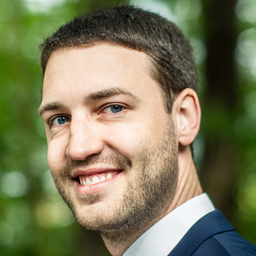
Stefan Janssen
Professor of Algorithmic Bioinformatics at Justus Liebig University Giessen
Stefan Janssen is an expert in the development of algorithms for biological data analysis, with a primary focus on microbiome research. Since August 2019, he has served as a Professor for Algorithmic Bioinformatics at Justus Liebig University Giessen (JLU), where he leads the "JLab" research group. His research employs systems biology and machine learning to investigate the rich interplay between the microbiome and its host organisms. Dr. Janssen's group focuses on the development of tools to process and analyze terabyte-scale microbiome datasets, as well as algorithm design for sequential data based on dynamic programming. Previously, he worked as a postdoctoral fellow in Rob Knight’s lab at the University of California San Diego (UCSD), Arndt Borkhardt’s Lab at University Hospital Düsseldorf (UKD), and Alice McHardy’s group at the German Center for Infection Research (DZIF).
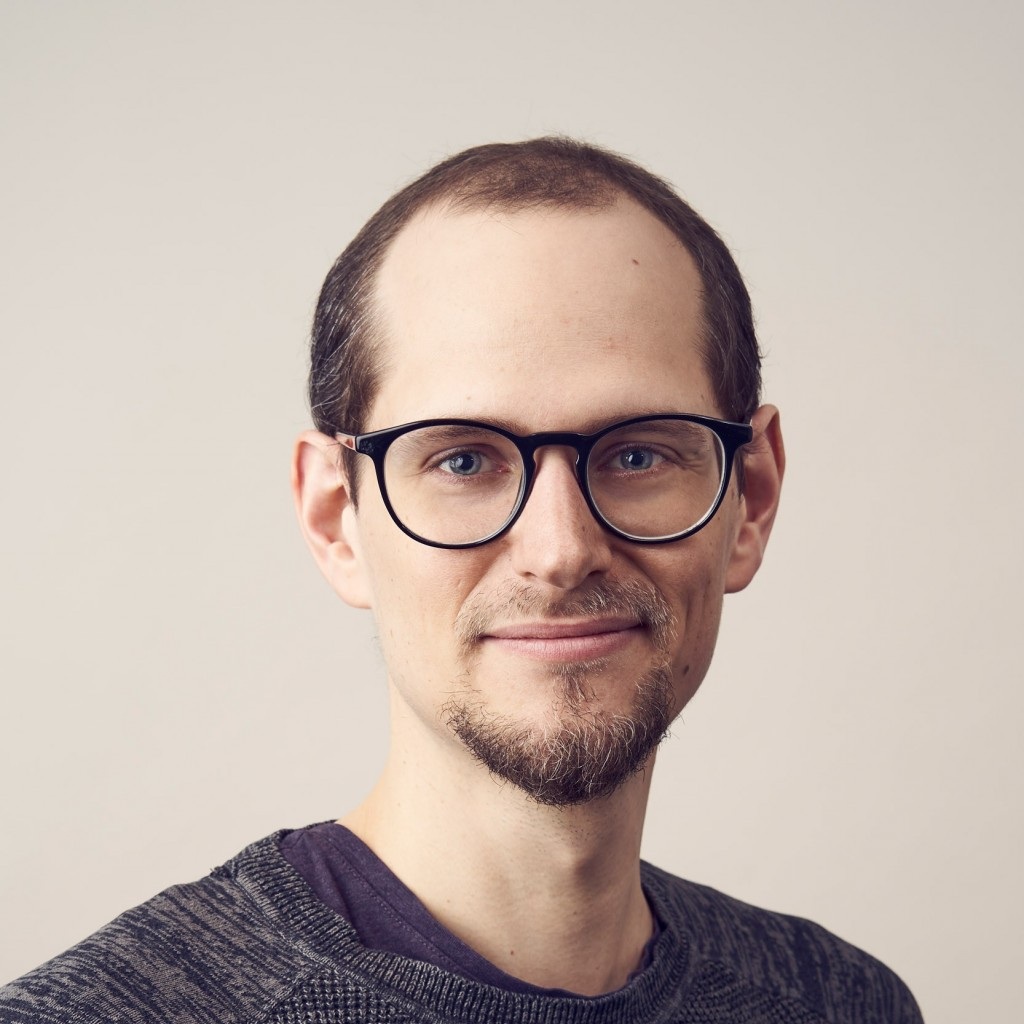
Christian Lieven
Co-founder and CTO of Unseen Bio
Christian is co-founder and CTO of Unseen Bio. With a PhD in systems biology and experience in design, management, and software development, he combines research and product development to explore the human and animal microbiomes. He is passionate about translating scientific findings into user-friendly technologies—from data-based analysis platforms and automated quality assurance to intuitive web apps for professionals and end users. Using design thinking, agile methods, and modern machine learning models, he develops innovative solutions for research and bioproduction. He leads an interdisciplinary team and is working to integrate microbiome analyses into the everyday health practice of Europe in the future.
Seeing the Unseen
In my talk I'll present who the company is, what we do, and how I've made my way from Uni to Unseen. I'll discuss some of the challenges we've overcome and learnings we've made along the way.

Jeyashree Krishnan
Alumna, Senior Machine Learning Engineer at Siemens AG
Jeyashree Krishnan is a Senior Machine Learning Engineer at Siemens AG. Her work focuses on building and operationalizing scalable machine learning services, with an emphasis on foundation models and time series forecasting.
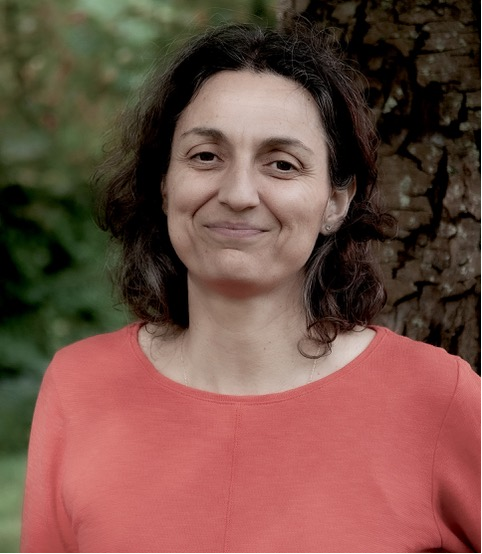
Maria Fyta
Head of the Computational Biotechnology Group
The Computational Biotechnology group uses computer simulations at various spatiotemporal scales in order to study the interface between biomolecules, materials, and solvent. These simulations provide a fundamental understanding of the specific interactions at such interfaces towards targeted applications in biosensing and selective design of biofunctional templates. In order to accelerate the simulations, assist this design, and interpret experimental data, Machine Learning workflows are applied and further developed.
Next generation sequencing techniques: nanopore read-out and base-calling
Next generation sequencing techniques target high-throughput, accurate, efficient and real-time sequencing of the genome. Relevant devices have reached the market, still challenges exist in relation to either the accuracy or the read-length processed. At the same time, the quest for sequencing the whole genome has shifted to the aim of detecting post-translational modifications in proteins. These are involved in the development of diseases, thus being able to accurately detect them would add a solid stone on the pathway towards the realisation of personalised medicine. In the discussion, focus will be laid on nanopore sequencing, and the main aspects that may control the accuracy in the detection of DNA and proteins. For this, the processing of the relevant recordings, known-as nanopore read-out or base-calling, is key and relies on the efficient implementation of bioinformatics and Machine Learning tools. We will discuss the progress in this field, the challenges, and the societal impact.